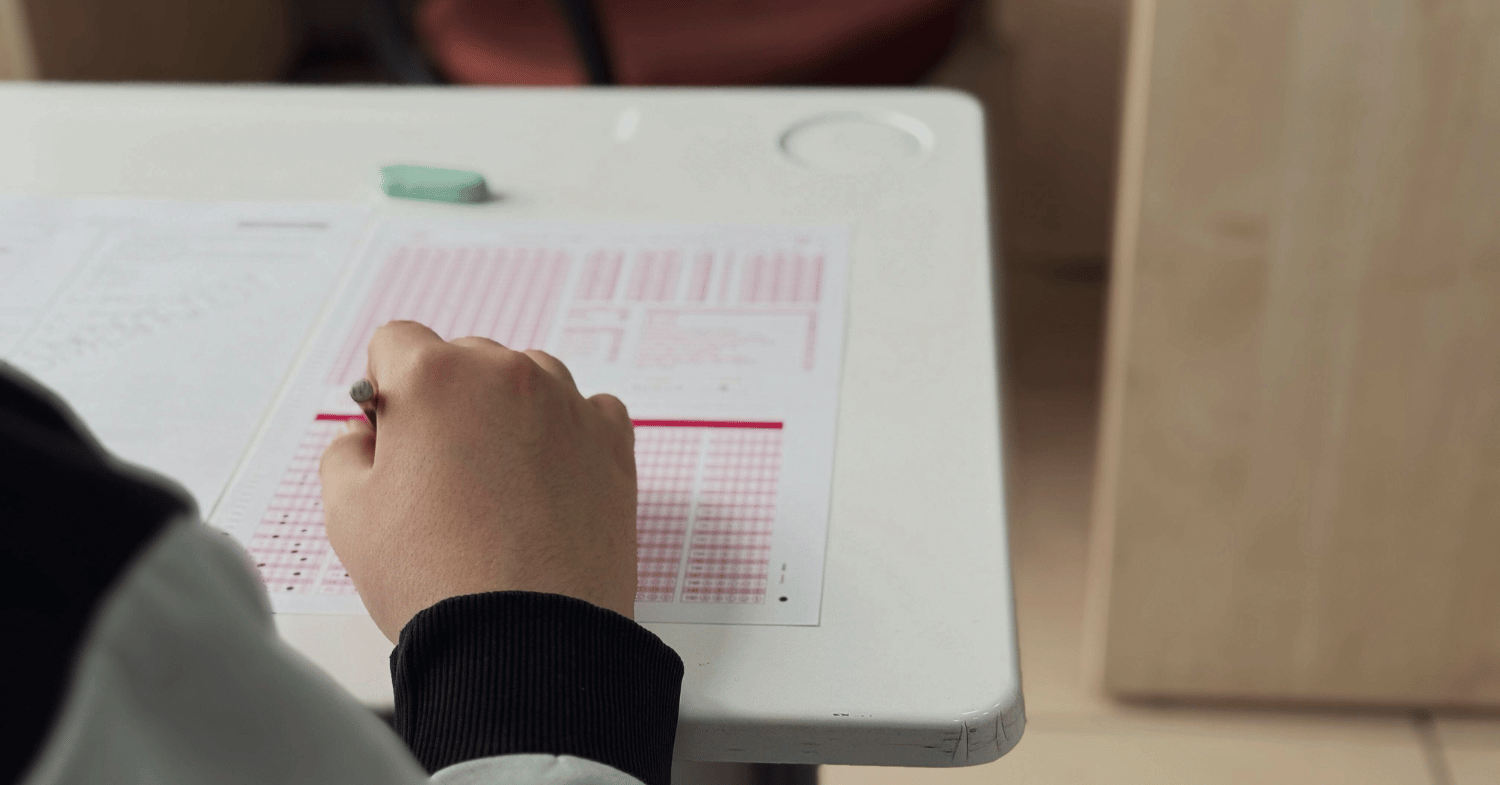
How to design your summer reading for a top SAT Reading score
Good SAT scores require a strong SAT Reading score: covering fictional, social science, historical, and scientific texts, the SAT Reading section necessitates a high critical Reading ability. The best way to develop this is to read a wide variety of high quality, challenging texts in the months and years leading up to your SAT. Reading such material also has very strong benefits for your school classwork, future university work, and general thinking and debate skills.
We have broken down the SAT Reading section into genres with books and articles suggestions to get you started on your academic planning. Summer is an excellent time to explore these options. The more time you can devote to reading good quality literature, the stronger position you put yourself in for autumn testing and applications. Remember, the most competitive schools have the most competitive applicants who are consistently expanding and deepening their critical thinking skills. The list below will help you join them!
Fiction
SAT Reading fiction texts can come from any century between 18th and 21st, dropping you at a point in the middle of the narrative. Our twentieth and twenty-first century recommendations include:
Margaret Atwood, The Handmaid’s Tale
Eleanor Catton, The Luminaries
Teju Cole, Open City
Saul Bellow, Seize the Day
Jorges Luis Borges, Labyrinth
Octavia Butler, Parable of the Sower
Jamaica Kincaid, My Brother
Toni Morrison, The Bluest Eye
John Steinbeck, Grapes of Wrath
Virginia Woolf, Mrs Dalloway
For the nineteenth century, novels by Jane Austen, the Brönte sisters and George Elliot are fantastic places to start. From the eighteenth century, speeches and writings by Thomas Paine and Mary Wollstonecraft (available for free on Gutenberg) provide both an excellent introduction to writing style as well as insight into pivotal contemporary social thought.
Social science
Articles and opinion pieces from publications such as The Atlantic, The Economist, The Guardian, The Independent, The New Yorker, The Times, and The Washington Post provide excellent preparation for humanities and social science passages. We recommend reading at least one substantial article each day. Not only does this improve reading comprehension, but it also helps students stay informed about current affairs and global issues.
Science
Science passages can be challenging because they often introduce unfamiliar topics and technical vocabulary. Publications such as Nature and Science occasionally publish accessible open-access articles that are well worth exploring. However, it's important to remember that SAT Reading tests comprehension rather than scientific knowledge. By strengthening your ability to analyse arguments and absorb complex information across all genres, you'll also become better equipped to tackle science-based passages.
Need guidance on your SAT and university journey?
Every student's path is different. Whether you're preparing for the SAT, exploring US universities, or thinking about how best to strengthen your application, a private consultation can help you create a clear plan and make the most of the opportunities ahead. Find out more and book a Private Consultation.